Micro Volunteering Day 2019

So, what is micro volunteering? This flexible model of volunteering constitutes of small acts of kindness which can take many different forms. Micro volunteering is a way to give back to your neighbours, local or global community, or environment. There is no ongoing commitment or training necessary and these roles can be virtual, remote or in person.

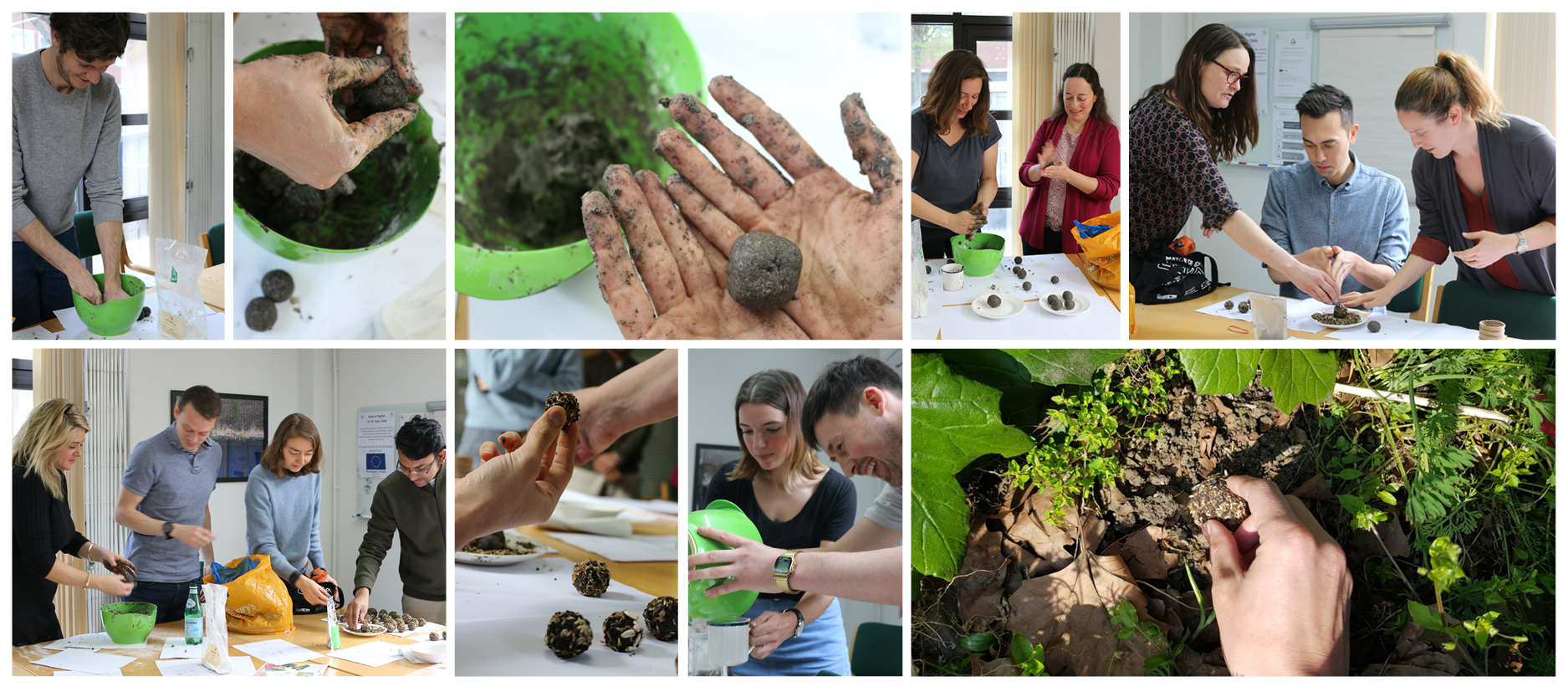
To celebrate Micro Volunteering Day 2019, we made and dispersed seed balls! These balls of clay and compost are coated in seeds and thrown or planted in green areas. Sometimes known as ‘seed green-aides’, this environmental activism emerged from the Guerrilla Gardening movement in New York, ‘Seed Bombing’ or ‘Aerial Reforestation’ aims to populate urban areas with flora, providing food for bees and other insects.  

Some other micro volunteering ideas are: 

  • Offering to do the food shopping or pick up some essential items for a neighbour  
  • Two-minute litter pick  
  • Clearing up a local community green space  
  • Donating unwanted items to a charity shop  
  • Buying a homeless person a hot drink or sandwich  
  • Signing an online petition  
  • Research surveys and questionnaires like Zooniverse  

Volunteering is valuable and every minute counts; it’s important that we value every selfless contribution whether that take place over seconds, minutes, days, weeks, months or years.  

February ended in a blinding beam of sunlight and from this, March has emerged.

Not only does this month mark the start of spring, promising growth and new life. It brings International Women’s Day (IWD). Both a celebration of women and an opportunity to look hopefully towards a more equal future. The 2019 campaign theme is #BalanceforBetter, which calls for a more gender balanced world; “Better the balance, better the world”.

We have been thinking about non-working mothers and the potential of volunteering as a path to social enrichment and skill development.

26% of mothers do not work and nearly 1 in 5 parents reported they have deliberately stalled their careers. Taking a step back from paid employment need not mean that any parent sacrifices their personal or professional development. We believe strongly that volunteering can be a flexible means of enrichment, but it is vital that organisations actively create an accommodating work environment for this demographic.

A flexible working environment is the key to making volunteering opportunities accessible for all. Some ways that organisations may do this is through:

  • Term time working allows volunteers to take time off during the school holidays means they don’t need to find childcare over these periods and can enjoy time with their family
  • Role sharing means more perspectives, collaboration and more creative ways of working. This also allows multiple people to benefit from the voluntary placement
  • Working from home establishes trust and allows volunteers to emit travel time from their role. This may also save the organisation money if expenses are offered
  • Write full role descriptions to make sure volunteers know that you have an open and flexible working environment and that every contribution is valid regardless of the form it takes

Time To Talk Day 2019

1 in 4 will experience a mental health issue this year. However,  despite how common these experiences are, myths and misinformation make it difficult for people to ask for help and the subject often brings feelings of shame or embarrassment. Taking care of mental health in the work place and at home starts with one simple thing; speaking. It’s time to start talking about mental health.

Talking about mental health can seem like a minefield, you might be questioning whether you have the ability to support someone going through a tough time. Whether they are a friend or colleague, you can master the art of talking by learning to listen. Ask questions and try to really understand how they are feeling, this makes people feel acknowledged and cared about.

Once you’ve taken the first step and asked the person if they are okay, and they have said “Yes I’m fine”. Question ‘Are they really fine?’. If you’re not sure, ask twice to help them open up. They might not be ready to talk yet, but communicating that you are there for them and ready to listen means they are more likely to ask for help when they are ready to talk.

People experiencing mental health problems want to be treated without judgement. You don’t need to become someone’s therapist to help them. A message with a silly joke or a funny video can be a spark of light in a dark time. Try keeping up contact with someone, inviting them out to do normal things can help them see a way out of the bad place they are in. Make sure they know that you care.

Talking Mental Health at Work

“Self-esteem is as important to our well-being as legs are to a table. It is essential for physical and mental health and for happiness.”
– Louise Hart

The working environment is a tricky environment for discussing personal topics, such as mental health. How can we foster an atmosphere which allows for discussion about mental health? The key is to make employees or volunteers feel valued and comfortable within the workplace.

  1. An open door policy means that all employees and volunteers are encouraged to speak freely with any manager at any time. Encouraging a working environment where communication is free and open has advantages to organisations from a business perspective but this can also have a much more personal benefit to all.
  2. You don’t need to have a solution and sometimes trying to find one can lead you to saying the wrong thing. Try using acknowledgement and appreciation to tackle the conversation; “That must be really difficult for you” or “Thank you for telling me about it”.
  3. Be flexible to ensure you are creating a comfortable working environment for those with different needs.
  4. Make sure you understand mental health, take this useful quiz by Time To Change: https://www.time-to-change.org.uk/mental-health-quiz
  5. Set up a casual activity to encourage your staff and volunteers to talk about how they are feeling. Lots of healthy conversations have been known to start with tea and biscuits.
  6. Most organisations have a registered provider for counselling-related service – check with your HR department or line manager.